Why Back to School Clock Kawaii Is Reshaping Creative Commerce and Brand Identity
In an increasingly crowded visual culture, standing out requires more than a clever slogan or a high-resolution image. It demands a design language that resonates emotionally, adapts across formats, and speaks directly to the values of modern consumers. Enter Back to School Clock Kawaii — a design asset that has quietly become a cornerstone for creators, entrepreneurs, and marketers looking to inject warmth, nostalgia, and playful utility into their product lines. What appears at first glance to be a simple illustration is, in fact, a strategic tool for engaging audiences across print, digital, and merchandise channels.
This article explores what Back to School Clock Kawaii represents, why it has captured attention across industries, and how it fits into larger shifts in consumer behavior, content creation, and brand storytelling. Whether you are a freelancer building a portfolio, a marketer planning a seasonal campaign, or an entrepreneur launching a product line, understanding this design’s relevance can help you make smarter creative decisions.
What Is Back to School Clock Kawaii?
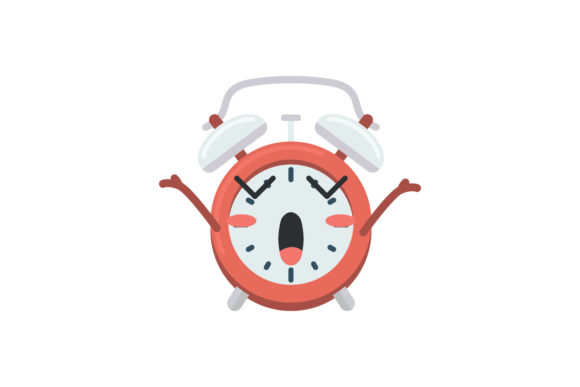
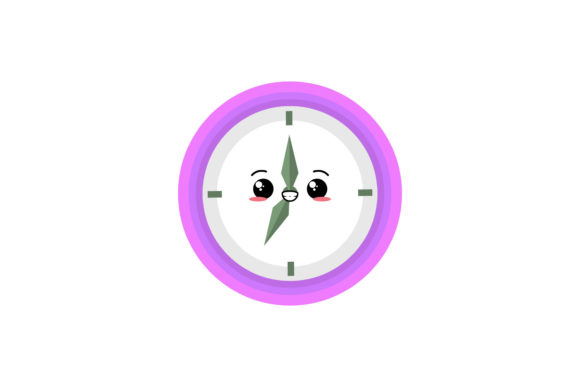
At its core, Back to School Clock Kawaii is a design motif that fuses the nostalgic symbol of a school clock — an icon of schedules, deadlines, and learning routines — with the kawaii aesthetic: rounded forms, soft color palettes, expressive faces, and an overall sense of endearing charm. The clock is often depicted with oversized eyes, a subtle smile, or playful accessories like pencils, apples, or backpacks, transforming a utilitarian object into a character-driven illustration.
The design is delivered in a versatile bundle of formats — AI, SVG, transparent PNG, JPG, and EPS — with a canvas size of 1920 pixels by 1280 pixels. This ensures that whether you are printing on a tote bag, layering into a poster, or embedding in a digital card, the artwork retains its quality and scalability. The inclusion of vector formats (AI, SVG, EPS) means professionals can modify colors, resize without pixelation, and integrate the design into complex layouts, while PNG and JPG offer quick access for non-designers.
What makes this design particularly effective is its dual nature: it triggers recognition of the back-to-school season while simultaneously softening that association into something comforting and approachable. The kawaii component adds emotional depth, making the clock feel less like a strict timekeeper and more like a friendly companion on the learning journey.
The Rise of Kawaii in Professional and Commercial Contexts
The kawaii aesthetic, originating in Japan, has moved far beyond its early associations with stationery and character merchandise. Today, it influences product design, user interfaces, social media branding, and even workplace communication. For professionals and creators, kawaii offers a visual shorthand for approachability, positivity, and attention to detail. It signals that a brand or product is not only functional but also emotionally intelligent.
Back to School Clock Kawaii sits at the intersection of this broader cultural shift. As consumers — particularly younger demographics — increasingly prioritize brands that feel authentic and relatable, the kawaii style provides a low-friction entry point. It is inherently non-threatening, which makes it ideal for products aimed at children, educators, parents, and even young-at-heart professionals. The school clock motif specifically taps into the seasonal excitement and anxiety of returning to routines, reframing it through a lens of play and optimism.
From a market perspective, kawaii-inspired products have seen consistent growth across apparel, home decor, stationery, and digital assets. Platforms like Etsy, Redbubble, and Creative Market have seen surges in kawaii-themed listings, and major retailers have adopted the style for limited-edition drops. The appeal transcends age and geography, making it a reliable choice for creators who want to reach a broad audience without diluting their message.
Why Creators and Entrepreneurs Are Paying Attention
Several converging factors explain why Back to School Clock Kawaii has gained traction among professionals and independent creators.
Versatility Across Product Categories
The design’s format bundle is a major selling point. With AI, SVG, EPS, PNG, and JPG files included, a single purchase enables a creator to produce everything from apparel (shirts, tote bags) to print materials (posters, cards) to digital stickers and social media templates. This eliminates the need to commission multiple versions of the same illustration or to manually convert formats, saving both time and money. For a freelancer or small business owner, this efficiency is critical, especially during back-to-school season when demand spikes and deadlines tighten.
Emotional Resonance in Seasonal Marketing
Back-to-school is one of the most consistent retail cycles, driven by both necessity and nostalgia. Parents are preparing their children for a new academic year, educators are setting up classrooms, and students themselves are navigating transitions. Back to School Clock Kawaii taps into this moment without relying on clichéd imagery of alarm clocks and strict schedules. Instead, it offers a gentle reminder that time can be managed with joy, not pressure. Marketers who use this design in email campaigns, landing pages, or social media posts report higher engagement because the visual stands out from the usual stock photography and heavy typography that dominate the season.
Alignment with Creator Economy Workflows
The modern creator economy thrives on assets that are easy to customize, quick to deploy, and reproducible across platforms. Design bundles like this one fit seamlessly into print-on-demand workflows, where a single SVG or EPS file can be uploaded to multiple production partners. Similarly, transparent PNG files allow for quick compositing in tools like Canva, Photoshop, or Figma, enabling even non-designers to produce professional-grade merchandise. The 1920x1280 canvas size is particularly well-suited for standard poster dimensions and social media cover images, reducing the need for resizing or cropping.
Broader Trends That Make This Design Relevant
To fully appreciate the value of Back to School Clock Kawaii, it helps to situate it within larger developments in commerce, technology, and lifestyle.
The Hybridization of Digital and Physical Products
Consumers no longer draw a hard line between digital and physical goods. A sticker purchased online might end up on a laptop, a water bottle, or a bullet journal. A poster might be printed at home, framed, and photographed for social media. Back to School Clock Kawaii is designed to thrive in this blended environment. Its vector formats ensure crisp printing at any size, while its PNG version is ready for immediate digital use. This hybrid readiness is increasingly expected by buyers, who want the freedom to use an asset across multiple touchpoints without restrictions.
Personalization and Niche Aesthetics
Mass-market branding is giving way to niche aesthetics that allow individuals to express specific tastes and identities. Kawaii is one of the most enduring of these aesthetics, and its combination with a school theme creates a micro-niche that appeals to teachers, homeschoolers, students, and nostalgic adults. By using Back to School Clock Kawaii, creators can signal that they understand the nuances of their audience — the desire for structure without rigidity, for learning without drudgery. This level of personalization builds stronger connections than generic seasonal imagery ever could.
Comfort-Driven Consumption
In a world of constant information and accelerating pace, comfort-oriented products and visuals are in high demand. Kawaii, with its soft curves and warm colors, is a natural fit for this trend. The school clock, typically associated with deadlines and pressure, is reinterpreted as a comforting presence. This reframing resonates with audiences who are looking for tools and products that support mental well-being alongside productivity. A sticker or T-shirt featuring Back to School Clock Kawaii becomes more than decoration — it becomes a subtle affirmation that time can be managed gently.
Practical Applications Across Formats and Channels
Understanding the design’s potential is one thing; applying it effectively is another. Here are practical ways that professionals and creators can integrate Back to School Clock Kawaii into their work.
Apparel and Merchandise
The SVG and EPS formats allow for easy scaling onto T-shirts, hoodies, and tote bags without losing sharpness. Because the design has a clean silhouette, it works well for screen printing, direct-to-garment printing, and heat transfer. Small businesses can produce limited-edition back-to-school collections without maintaining inventory, using print-on-demand partners. The kawaii style ensures broad appeal across genders and age groups, making it a safe but distinctive choice.
Print Materials
Posters, flyers, and greeting cards benefit from the design’s high-contrast lines and friendly expression. The 1920x1280 pixel canvas — roughly a 3:2 aspect ratio — is ideal for standard poster sizes (A2, A3, or 11x17 inches) and easily adaptable for card layouts. For educators, a poster featuring Back to School Clock Kawaii can serve as a classroom decoration that reinforces a positive attitude toward time management. For event organizers, it can add a playful touch to orientation materials.
Digital Assets and Social Media
The transparent PNG version is ready for use in Instagram stories, Pinterest pins, YouTube thumbnails, and email headers. The design can be layered on top of pastel backgrounds, combined with motivational quotes, or animated in tools like Canva or After Effects. Marketers running back-to-school campaigns can use the design as a recurring visual element, building brand recognition through repeated exposure. The AI and EPS files allow for color customization, enabling a brand to match its own palette while retaining the core charm.
Stationery and Planner Products
Kawaii aesthetics have a natural home in stationery. Stickers, washi tape, notebook covers, and planner inserts are all viable product extensions for Back to School Clock Kawaii. The SVG format is particularly useful for die-cut sticker production, where precise vector outlines are essential. Freelancers who sell digital planner templates can include the design as a decorative element, adding value without increasing file size.
How Changing Needs and Expectations Drive Adoption
Professionals across industries are rethinking how they source and use creative assets. Three shifts in particular explain why a design like Back to School Clock Kawaii is gaining momentum.
First, speed matters more than ever. Whether you are a solo freelancer or a small marketing team, the ability to move from concept to production quickly is a competitive advantage. Having all formats in one bundle — with a standardized canvas size — eliminates the friction of format conversion and resizing. This allows creators to focus on application rather than preparation.
Second, authenticity is non-negotiable. Stock imagery that feels generic or overly polished no longer resonates. Audiences can spot a templated design from a mile away. Back to School Clock Kawaii offers a distinctive voice — playful but purposeful, cute but communicative — that helps brands stand out without resorting to gimmicks. Its handmade feel, even in digital form, conveys effort and care.
Third, multipurpose assets are the new standard. Budget-conscious creators and small business owners cannot afford to purchase separate designs for print, digital, and merchandise. A single bundle that covers all these use cases represents a smarter investment. The fact that the design works equally well on a shirt, a poster, a sticker, and a tote bag means that one purchase can fuel an entire product line or campaign phase.
Observations from the Field
In conversations with creators who have used Back to School Clock Kawaii in their work, several patterns emerge. Teachers and educators appreciate the design for its ability to make classroom materials feel more inviting. Parents buying for their children often choose products featuring this design because it balances the seriousness of school readiness with the lightheartedness of play. Freelance graphic designers note that the vector files are cleanly constructed, with well-named layers and logical grouping — a detail that professional users value but novice buyers might overlook until they start editing.
Marketers running A/B tests on email open rates and click-through rates have observed that campaigns using kawaii-inspired imagery outperform those using traditional back-to-school stock photos by notable margins. The mechanism seems to be novelty combined with emotional warmth: recipients are more likely to open an email featuring a friendly clock character than one featuring a generic alarm clock or a stressed student.
For print-on-demand entrepreneurs, the design’s performance across different products is consistent. Tote bags featuring Back to School Clock Kawaii tend to attract buyers looking for everyday items that spark joy, while stickers appeal to collectors and journaling enthusiasts. The design’s scalability means it can be printed small (as a label or emblem) or large (as a central graphic) without losing its character.
Connecting to Larger Developments in Creative Business
Beyond its immediate applications, Back to School Clock Kawaii reflects several broader developments that professionals should watch.
The first is the democratization of design. High-quality vector assets are no longer limited to seasoned graphic designers with expensive software. Bundles like this one, offered in multiple formats, empower anyone with basic digital literacy to create professional-looking products. This trend aligns with the rise of no-code and low-code tools, where the barrier to entry is lowered without sacrificing output quality.
The second is the growing importance of niche communities. As mass media fragments, success increasingly comes from serving a specific audience exceptionally well. The combination of “back to school” and “kawaii” speaks directly to a community that values both structure and softness, routine and imagination. Creators who understand this intersection can build loyal followings that larger brands struggle to replicate.
The third is the shift toward asset-based economies. Instead of selling a single finished product, many creators now monetize the assets themselves — selling design bundles, templates, and toolkits to other professionals. Back to School Clock Kawaii functions both as a direct product (sold to consumers) and as a resource (used by creators to make further products). This dual role is increasingly common in the creative marketplace and represents a sustainable revenue model for designers and illustrators.
Final Considerations for Professionals and Creators
Whether you are planning a seasonal campaign, expanding your product line, or simply looking for a design that resonates across formats, Back to School Clock Kawaii offers a rare combination of charm, practicality, and market alignment. Its roots in the kawaii aesthetic provide emotional appeal, while its school theme ties it to one of the most reliable annual cycles in commerce. The format bundle — AI, SVG, transparent PNG, JPG, EPS — removes technical barriers, and the standardized canvas size ensures consistency across projects.
For the freelancer who wants to offer clients something fresh, the entrepreneur building a back-to-school collection, or the marketer seeking higher engagement, this design represents an efficient and effective choice. Its relevance is not based on hype or novelty but on a solid understanding of what today’s audiences value: warmth, versatility, and a touch of playfulness in a world that often takes itself too seriously.
Incorporating Back to School Clock Kawaii into your creative toolkit is not just about adopting a trending style. It is about recognizing that the most successful designs are those that connect with people on an emotional level while giving creators the freedom to adapt, remix, and scale. That is the real lesson behind this unassuming little clock — and why it deserves a place in your next project.